Museum Prinsenhof Delft examines sub-collection with Indonesian objects
One year after the first application round for the Colonial Collections Provenance Research Scheme closed, the first ten research projects have largely been concluded. Museum Prinsenhof Delft conducted research into twelve objects from the Nusantara sub-collection, which originally came from Indonesia and, via the collections of various institutions, eventually came into the museum’s care.
The Indische Instelling in Delft was founded in 1864 as a training institute for Dutch colonial officials who were posted to what is now Indonesia. The objects collected by the institution were used for educational purposes. Following the closure of the Indische Instelling in 1901, an ethnographic museum was established in 1911 to preserve the collection. This eventually became the Museum Nusantara.
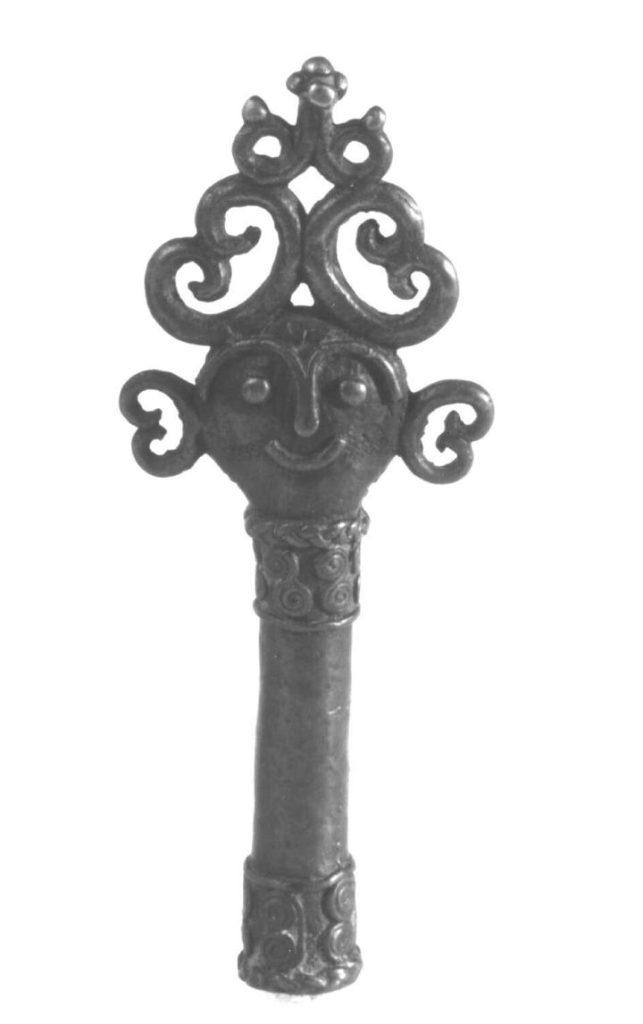
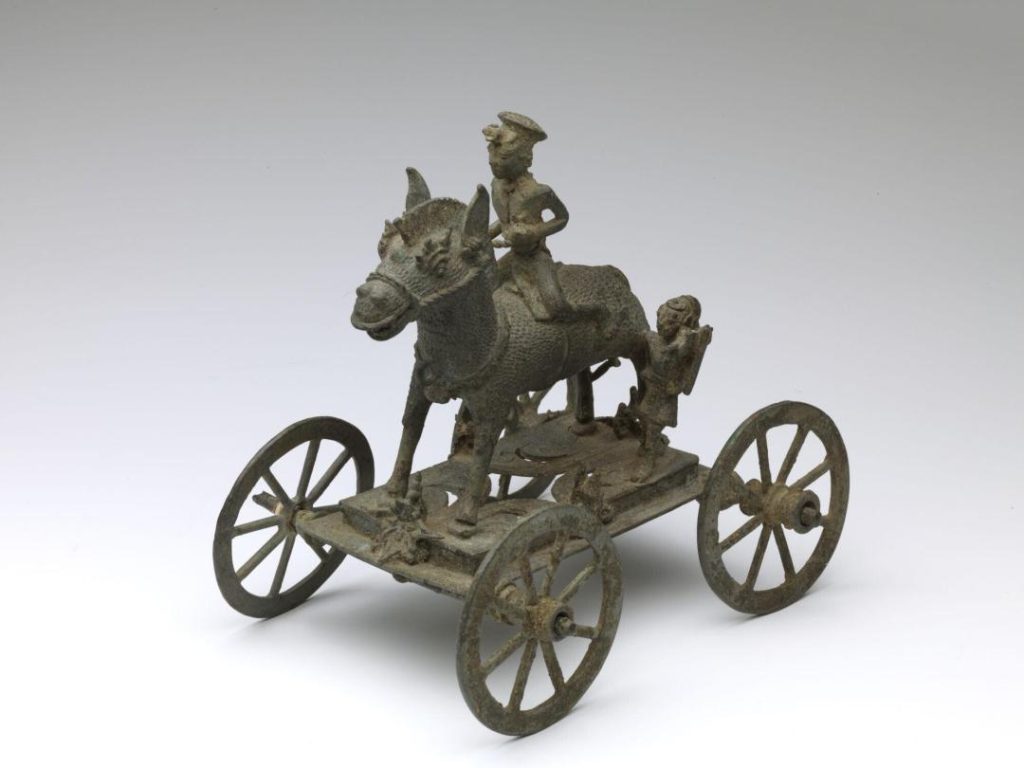
Museum Nusantara closed its doors in 2013, after which the collection was deaccessioned and reallocated to various museums in the Netherlands and abroad. A small part of the collection remained in Delft and came under the management of Museum Prinsenhof. The Nusantara sub-collection comprises around 460 objects, ranging from clothing and religious artefacts to dolls, furniture, (miniature) weapons and jewellery.
The Nusantara sub-collection
With financial support from the Colonial Collections Consortium, the museum is investigating the provenance history of twelve objects from the sub-collection. The following questions are central to this research:
- What meaning do these objects hold for the communities from which they originate?
- How did colonial artefacts from Indonesia end up in Delft?
- Where do they come from, how were they collected, and why did they become part of the ethnographic collection of the Indische Instelling or Museum Nusantara?
- What can these objects tell us about the relationship between Delft and Indonesia?
Colonial ties between Delft and Indonesia
Following its refurbishment, the Prinsenhof Museum in Delft plans to present the story of Delft’s colonial history to its visitors in a transparent and more comprehensive manner. That includes sharing the provenance research of these objects. The results of the research will therefore be incorporated into the museum’s new permanent exhibition. As part of the city programme Delftse Blik, the museum will also be inviting visitors and residents of Delft to join in the conversation about this collection. By widely sharing the stories behind the collection, the museum will present a new perspective on the colonial relationship between Delft and Indonesia when it reopens.
The added value of provenance research
Although the research focused on twelve specific objects, the provenance research has also brought to light information about other objects and important aspects of the intertwined colonial history. Indeed, the research has revealed just how closely the Indische Instelling was intertwined with the colonial system – and, by extension, the museum’s sub-collection.
The Colonial Collections Consortium supports collaboration and research amongst museums, research institutions and archives in order to gain new insights into this intertwined colonial history. We share expertise and research methods, and provide funding, enabling institutions that manage collections – such as Museum Prinsenhof Delft – to carry out valuable research into the colonial origins of their collections.
Would you like to find out more about the role civil servants played in collecting objects from a colonial context? The NIOD has developed digital search tools on this subject for the Colonial Collections Consortium, in which Museum Nusantara is also included as a key institution. These search tools provide guidance for researchers and members of the public who wish to gain a better understanding of colonial objects and their stories.