25 November 2024
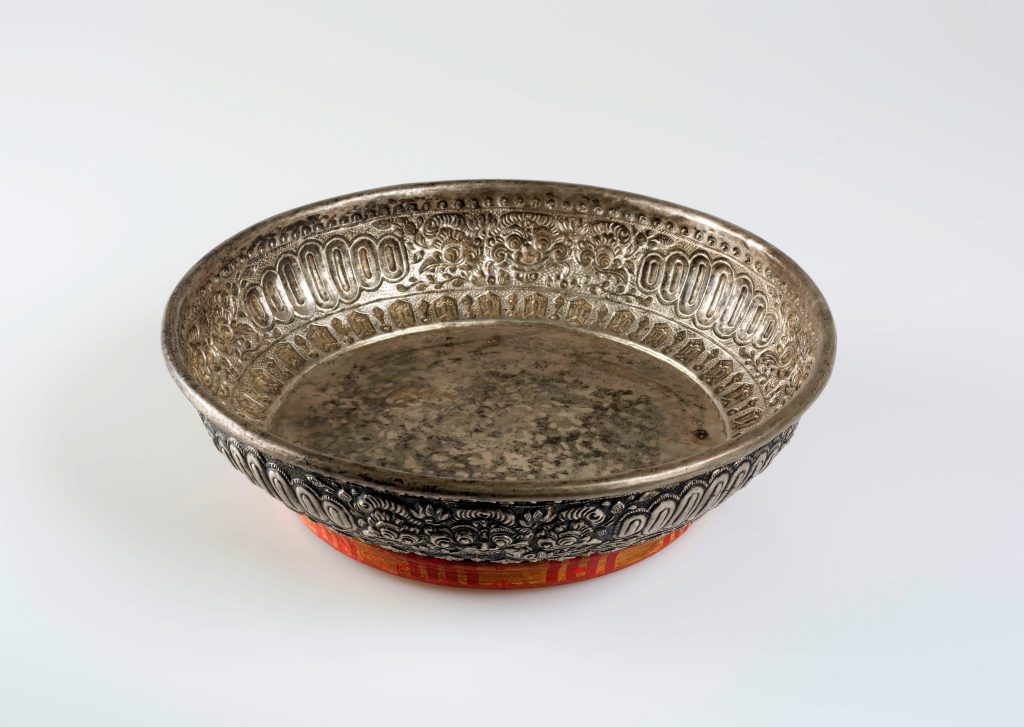
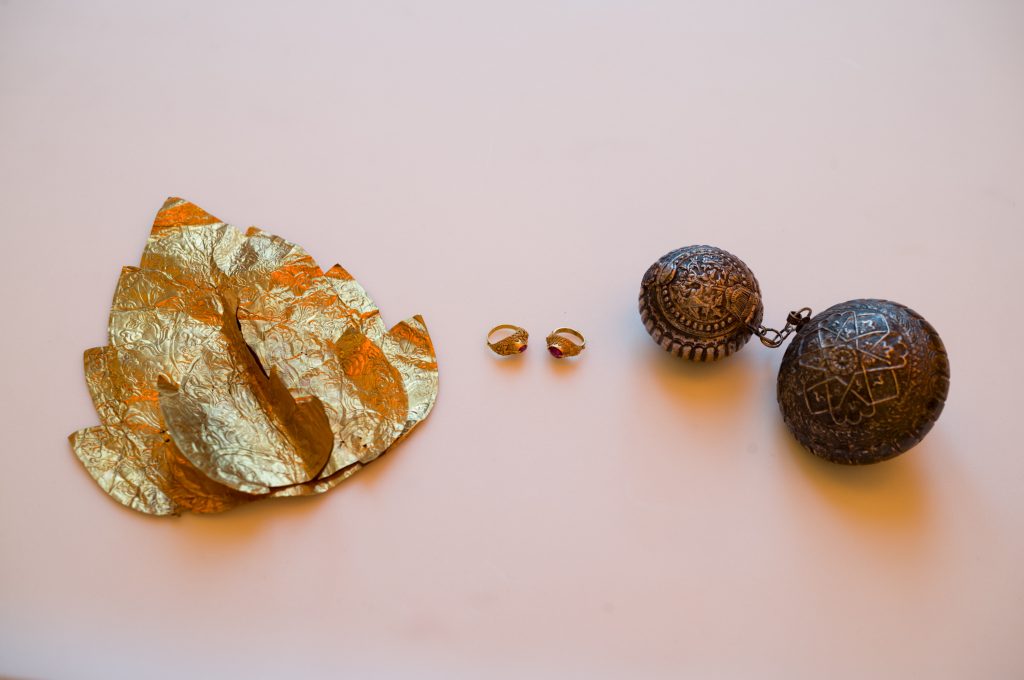
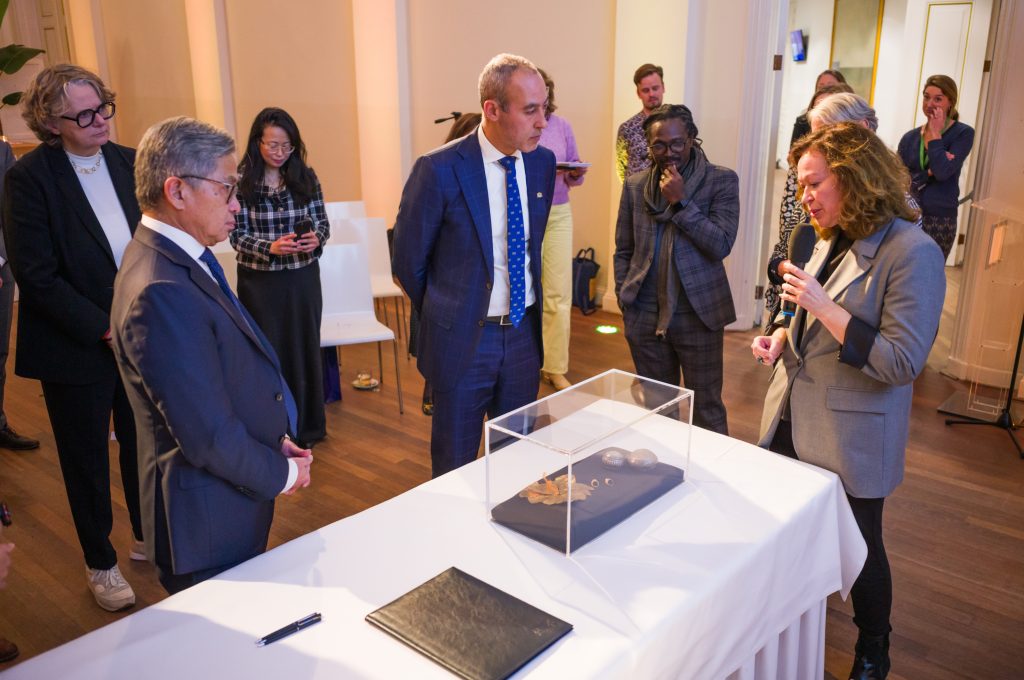
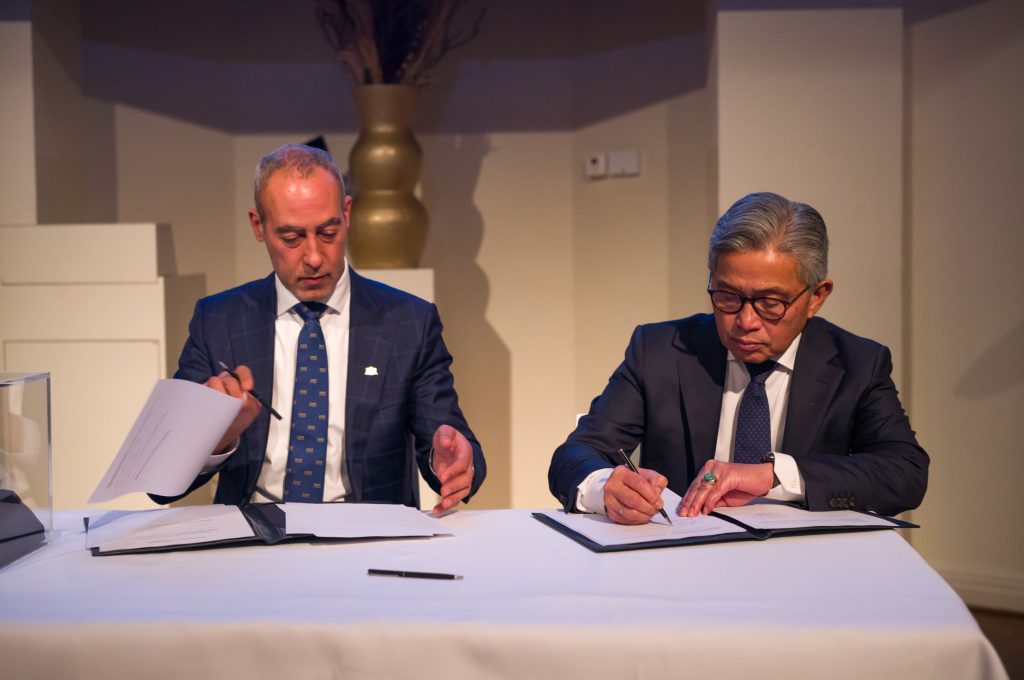
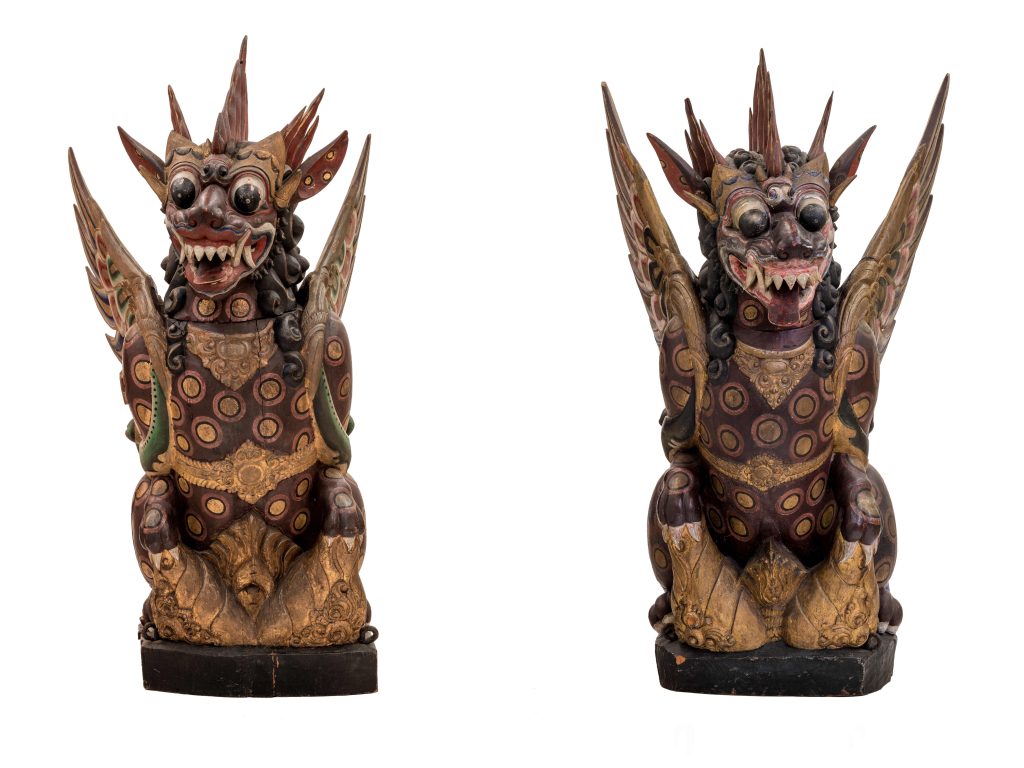
The city of Rotterdam has become the first in the Netherlands to return art objects from the colonial era to Indonesia. The restitution involves two singa statues from Lombok and 66 objects from South Bali, which were held by the Wereldmuseum. This return is a significant step in implementing the national policy framework on the restitution of colonial collections. Previously, several objects from the national collection were returned as part of a broader government initiative. With this move, Rotterdam contributes to acknowledging and addressing the injustices suffered by the indigenous populations of the former colonies.
Adressing historical injustice
The objects, part of the so-called Lombok Treasure and the Puputan Badung Collection, were seized at the end of the 19th and early 20th centuries during military actions by the Dutch colonial army. Research has confirmed that these objects were taken against the will of their rightful owners and under duress.
Alderman Said Kasmi (Education, Culture, and Events): “Rotterdam acknowledges that the artworks we are returning today were never ours to keep and belong in Indonesia. With this restitution, we take an important step in addressing colonial injustices. It is a gesture of respect for the Indonesian culture and the history that we share.”
Ambassador Mayerfas, Republic of Indonesia: “These pieces are more than artefacts; they are symbols of identity and resilience, embodying the rich cultural heritage of Indonesia. Let today remind us that cultural repatriation is a collective responsibility and an essential step toward healing and reconciliation from the past.”
The objects
The restitution includes two singa statues from the palace of Cakranegara in Lombok, which were looted in 1894 during the so-called Lombok War by the Royal Dutch East Indies Army (KNIL). A singa is a mythical lion symbolising support and protection, often used in temple and palace architecture. These statues were previously exhibited at Wereldmuseum Rotterdam.
Additionally, 66 objects from the Puputan Badung Collection are being returned, including ceremonial weapons, jewellery, textiles, and other cultural items. These were seized on the battlefield and from the palaces and temples of the Badung Kingdom during the 1906 conquest of South Bali by the Dutch colonial army.
Indonesia requested the return of these objects due to their cultural and historical significance. They are vital pieces of the nation’s heritage, connected to key events in the history of Bali and Lombok. After their return, some of these objects will be displayed at the Museum Nasional in Jakarta, where they will contribute to preserving Indonesia’s cultural history.
Collaboration
The city of Rotterdam is working closely with Indonesia and the Wereldmuseum to ensure a careful restitution process. The Wereldmuseum will oversee the transportation and transfer of the objects to Indonesia later this year.
Marieke van Bommel, Managing Director of the Wereldmuseum: “We are pleased that these objects are returning to Indonesia. They hold immense cultural significance for the Indonesian people and should never have been here. We are grateful for the excellent collaboration with our Indonesian partners, the Municipality of Rotterdam, and the Ministry of Education, Culture, and Science in making this restitution possible.”
7 November 2024
Does your museum manage collections and objects from colonial contexts and would you like to do provenance research on these? Are you a curator and would you like to carry out this provenance research in collaboration with another museum? Or would you like to map the provenance history of a specific group of objects from your own collection for which there are indications that they were acquired in a colonial context? You can submit an application to the Consortium Colonial Collections for (partial) funding of this research.
About the grant
The Dutch Ministry of Education, Culture and Science has made budget available for provenance research on colonial collections. Dutch heritage institutions, located in the country of the Netherlands, that manage collections, such as museums, universities, archives and libraries, can submit applications for this budget to the Consortium Colonial Collections under the “Regeling Herkomstonderzoek Koloniale Collecties”. A total of EUR 500,000 is available that will be awarded to provenance research projects in two rounds. The first round of applications closes 15 March 2025. The closing date for the second round is 15 July 2025.
About provenance research
Provenance research is an important part of careful collection management, as mentioned in ICOM’s Code of Ethics for Museums. The institution managing an object is responsible for researching its provenance. To encourage collection managing institutions to prioritize research into the provenance of objects from colonial contexts, the “Regeling Herkomstonderzoek Koloniale Collecties” was established.
The information about this grant is available in Dutch.