Report European Working Conference on Collections from Colonial Contexts
Between 23-25 September 2025, approximately eighty participants gathered in the Netherlands for the European Working Conference on Collections from Colonial Contexts, organized by the Colonial Collections Consortium. This conference aimed at bringing together museum professionals working with objects and collections originating from colonial contexts to share experiences and exchange practical knowledge. The event intended to foster ongoing dialogue, and to help build a sustainable network of professionals committed to transparent, responsible stewardship. We are pleased to share a short summary, and an in-depth report of the conference.
Summary
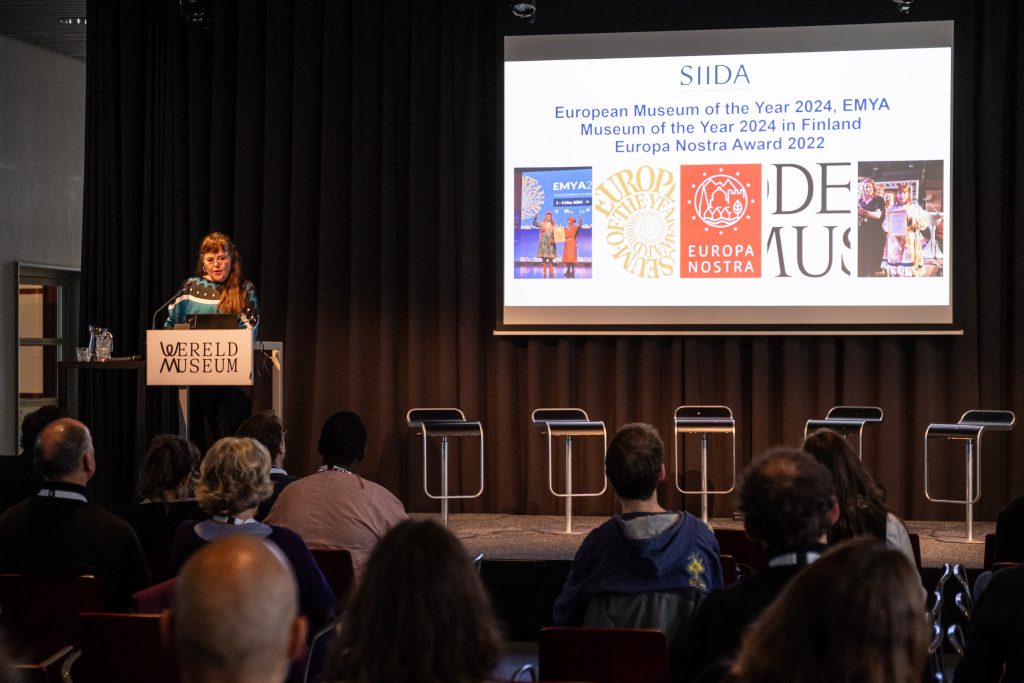
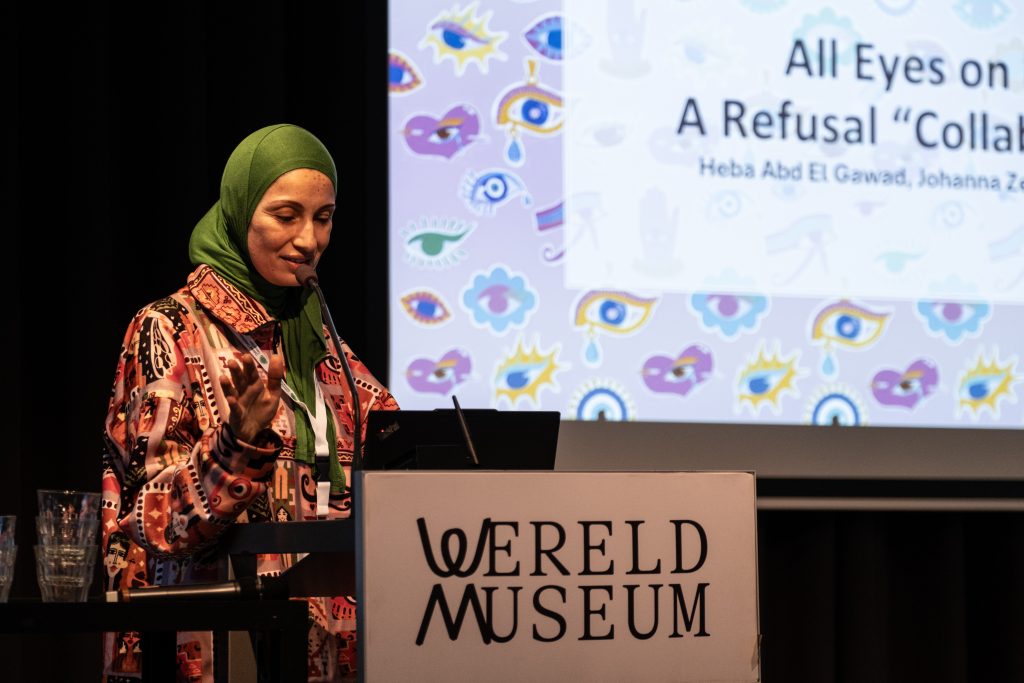
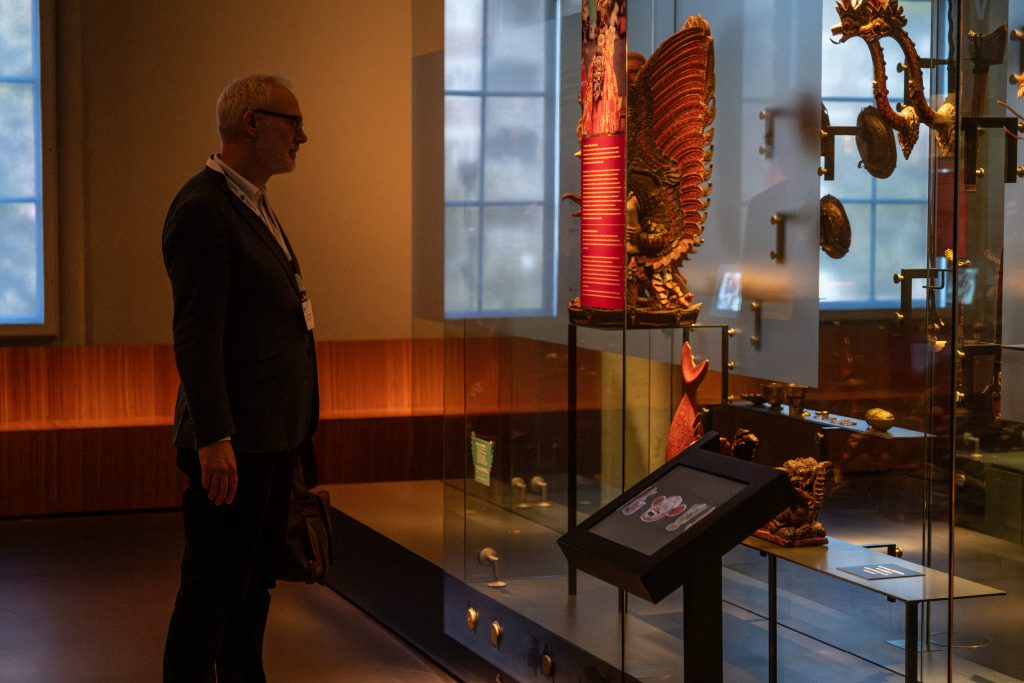
The programme of the European Working Conference on Collections from Colonial Contexts, ran for three days and was hosted at the Cultural Heritage Agency of the Netherlands in Amersfoort and the Wereldmuseum in Leiden. The programme consisted of sixteen speakers who each presented a case study from a European context. The sessions were centred around the key themes of the conference:
- Becoming transparent, doing our research
- Methods for return, procedures and logistics
- Caring for objects
- Shaping collaboration
Additionally, the programme included poster presentations.
The main points that emerged during the conference highlighted the importance of (1) accountability in working towards undoing of historical injustice, of (2) collaboration with communities of origin to make restitution into a meaningful practice that is guided by communities of origin and has the potential to establish long-term partnerships between institutions and communities, and of (3) institutions giving the reigns to communities of origin in collaborative processes, allowing communities to set the agenda and reappropriate collections through their own narratives. Reflecting on these takeaways, it becomes clear that meaningful collaboration requires openness, transparency and accountability from European institutions, in order to not reproduce relationships of the colonial past. Putting meaningful collaboration into practice was a continuous thread throughout the conference. Based on the outcomes of the conference and the next steps suggested by the participants, the Consortium intends to take several steps to initiate our shared responsibility of maintaining the networks and continuing the conversations and dialogues held during the conference. These steps include offering a platform that participants can actively participate in to share updates on their projects related to the careful handling of collections from a colonial context and offering a space for thematic expert meetings on important topics and issues that emerged. Museum professionals working with collections from a colonial context are invited to think along with these initiatives and give their input. The Consortium intends to share more about these next steps in the beginning of 2026.
The Consortium looks back on a conference that was successful in bringing together museum professionals working in Europe to exchange experiences and dilemmas relating to handling collections from a colonial context and building a network for those working with these collections. At the same time, we recognize that this conference had limitations, including the decision to only invite museum professionals working in Europe, which meant that the voices of communities of origin largely remained absent. Looking back on this conference, it is thus important to note that the takeaways have emerged within conversations between museum professionals working in Europe. We look forward to continuing the dialogue and expanding the network beyond museum professionals in Europe.
Report
Posters
Confrontar o legado colonial no Museu/Facing colonial legacy in the Museum – Museu Municipal Santos Rocha Figuieira da Foz
Ancestral remains from colonial contexts in the Van der Hoeven skull collection in Germany – University of Leipzig (Faculty of Medicine) and German Lost Art Foundation
Presented by Dr. Ulrike Lötzsch and Isabelle Reimann
UNESCO Chair on Museum Collections, Repatriation and Interculturality – Reinwardt Academy
Presented by Dr. Csilla Ariese
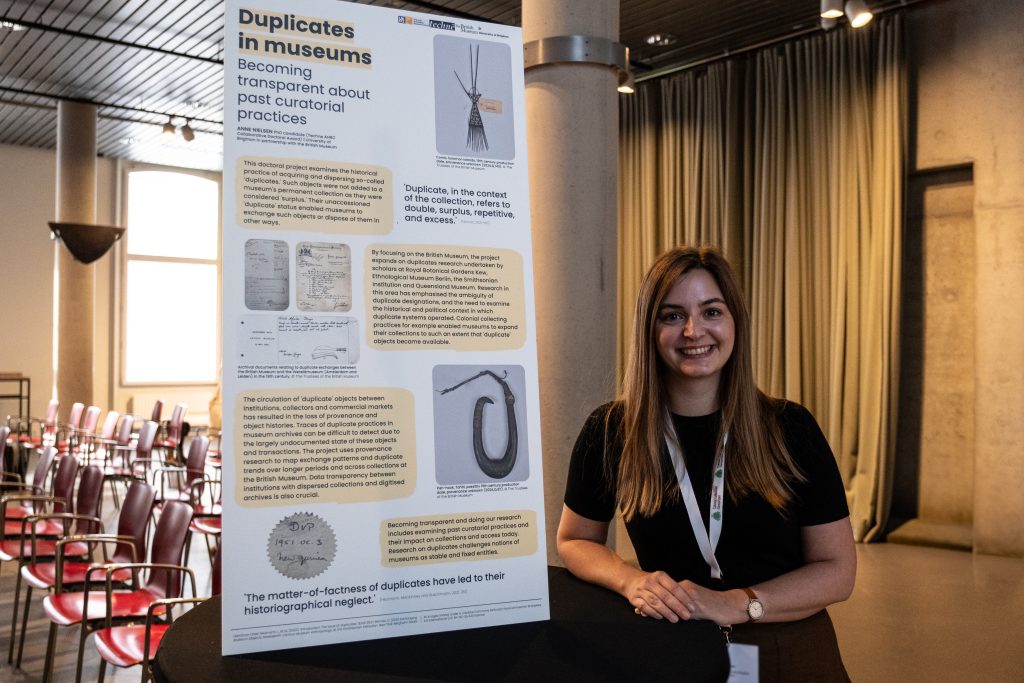
Duplicates in Museums: Becoming transparent about past curatorial practices – University of Brighton and the British Museum
Presented by Anne Nielsen
Provenance & Linked Open Data: Two international initiatives – Naturalis Biodiversity Center
Presented by Roxali Bijmoer and Annika Hendriksen
Incorporating decolonization in the daily work of the collection manager – Naturalis Biodiversity Center
Presented by Natasja den Ouden
Digital Research Aids – NIOD Institute for War, Holocaust and Genocide Studies
Presented by Wiebe Reints and Maarten van der Bent
Screening the Collection: Provenance Research at the Museum der Kulturen Basel (MKB) – Museum der Kulturen Basel
Presented by Basil Bucher
Sensitive Photography? Colonial Photo Collections at the Museum der Kulturen Basel – Museum der Kulturen Basel
Presented by Aila Özvegyi
(Tr)African(t)s. Museums and Collections of Catalonia in the Face of Coloniality – University of Barcelona
All images by Kevin Kwee