Indian chintz in the Zaan region
Following a successful first round of the Colonial Collections Provenance Research Scheme, the second round of research projects has now also been launched. The Zaans Museum is carrying out a unique study of over a hundred items of clothing made from chintz: a cotton calico textile from India, usually hand-painted with floral motifs.
Chintz has been produced in India for centuries. From the 17th century onwards, the fabric was imported by the Dutch East India Company (VOC), and as its popularity grew, similar chintz textiles were soon being produced in Europe as well. This fabric was also popular in the Zaan region. The Zaans Museum’s extensive fashion collection contains many 18th-century garments believed to be made of Indian chintz. But a lack of expertise previously made it impossible to distinguish between Indian and European fabrics.
Research into materials
With financial support from the Colonial Collections Consortium, the museum is now investigating which items of clothing are made from fabrics originating from India. The following questions are central to this research:
- Is the item made from Indian chintz, or is it a European imitation?
- What can be learnt about the material? (Things like where and when the fabric was made, how it was made, and what the motifs signify.)
- What is the provenance of these objects and who did the chintzes belong to?
- How did the chintz pieces become part of the collection?
- How did chintz calico come to be found in the Zaan region, and what was the role of the people living there in the chintz trade?
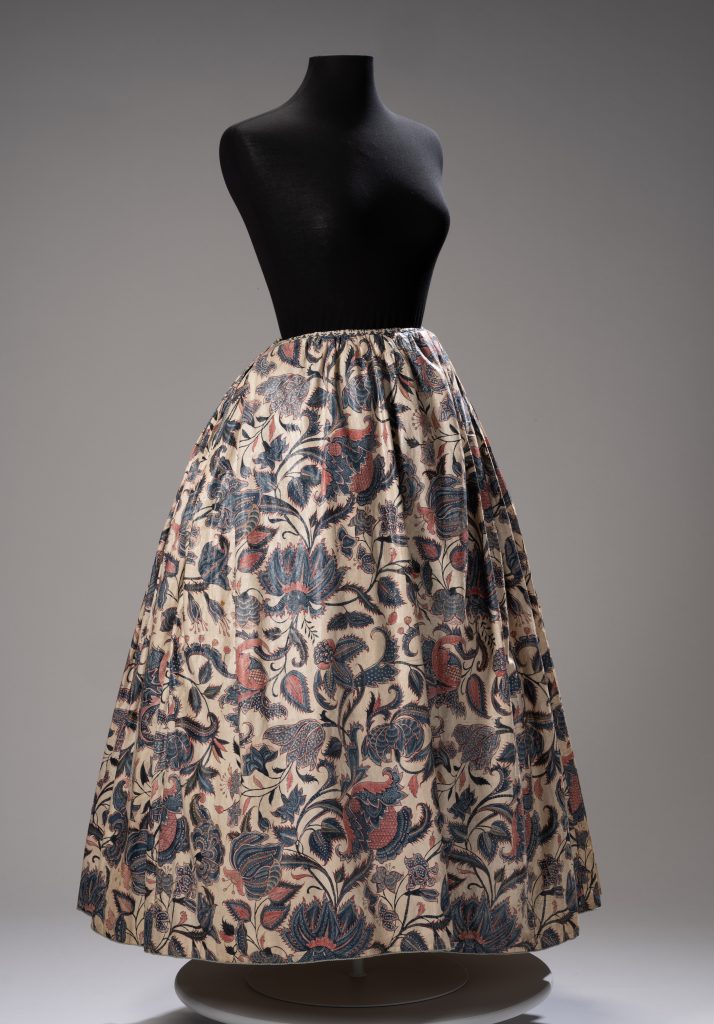
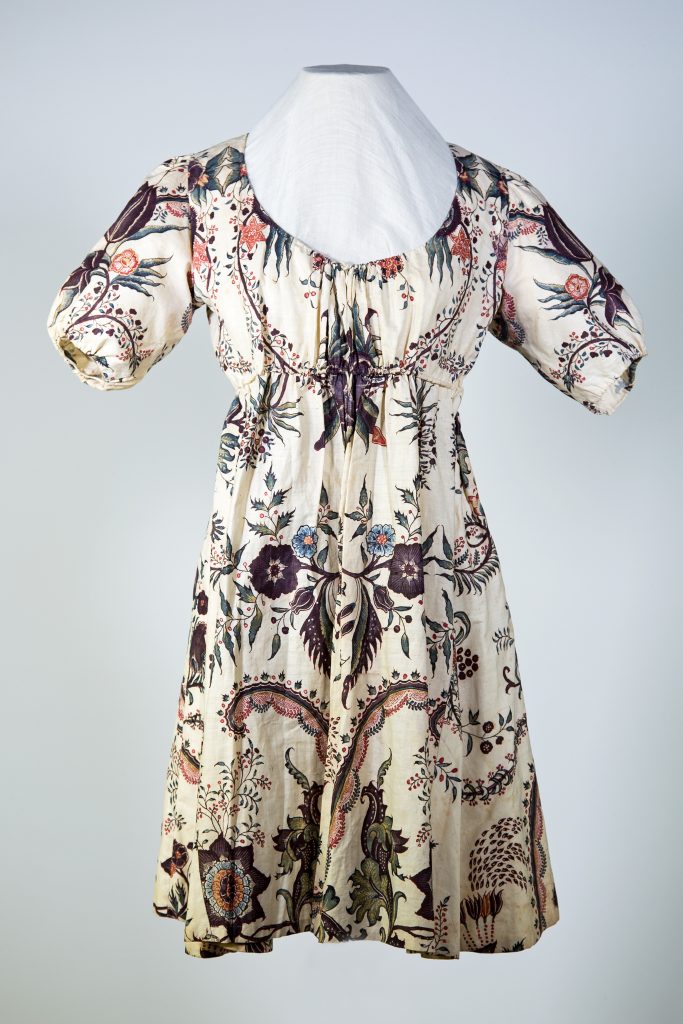
The Zaan identity and chintz
Until now, chintz garments have generally been regarded as examples of traditional Zaan regional dress and, as such, an expression of Zaan identity. This research, however, focuses specifically on the colonial origins of the material, thereby shedding light on chintz as a product that was traded within colonial trade networks and that reflected unequal power relations, but also as an example of cultural interaction and the blending of cultural identities. By teaming up with experts (craftspeople and historians) from India, knowledge can be exchanged and the garments are examined from various perspectives.
Gaining knowledge and expertise
Financial support from the Colonial Collections Consortium enables the Zaans Museum to acquire knowledge and expertise regarding the colonial origins of its collection. The Colonial Collections Consortium works with museums, research institutions and archives to gain new insights into the provenance of colonial artefacts. We share expertise and research methods, and make funding available, so that even smaller institutions – such as the Zaans Museum – can carry out in-depth research into the colonial connections within their collections.
Would you like to find out more about the role that trade in colonised territories played in the circulation of these objects in Europe? The NIOD has developed digital research aids on this subject for the Colonial Collections Consortium. These research aids provide tools for researchers and members of the public who wish to gain a better understanding of colonial objects and their stories.