Indonesian objects at the Princessehof National Museum of Ceramics
One year after the first round of the Colonial Collections Provenance Research Scheme, research projects are now in full swing. The Princessehof National Museum of Ceramics is carrying out provenance research into various Indonesian objects in its collection; the museum currently holds over 1,800 such objects. Since 2025, the museum has been re-examining the provenance of the objects, as previous investigations had yielded few results. However, now that the first 100 objects – with potentially problematic provenance – are being examined, the findings are shedding light on the collection as a whole.
Provenance research into Indonesian objects
With financial support from the Colonial Collections Consortium, the Princessehof Museum is investigating the provenance of objects in its collection; the research is conducted on an object-by-object basis. The following questions are central to this research:
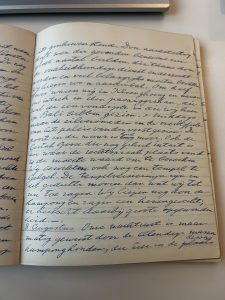
- How can provenance data be supplemented? What information can be found in travel diaries, laboratory test results and photo albums?
- Which art dealers and ‘collectors’ were interested in Indonesian artefacts during the colonial period?
- Which objects in the collection have a problematic provenance?
- What cultural or religious significance do the objects have in their country of origin?
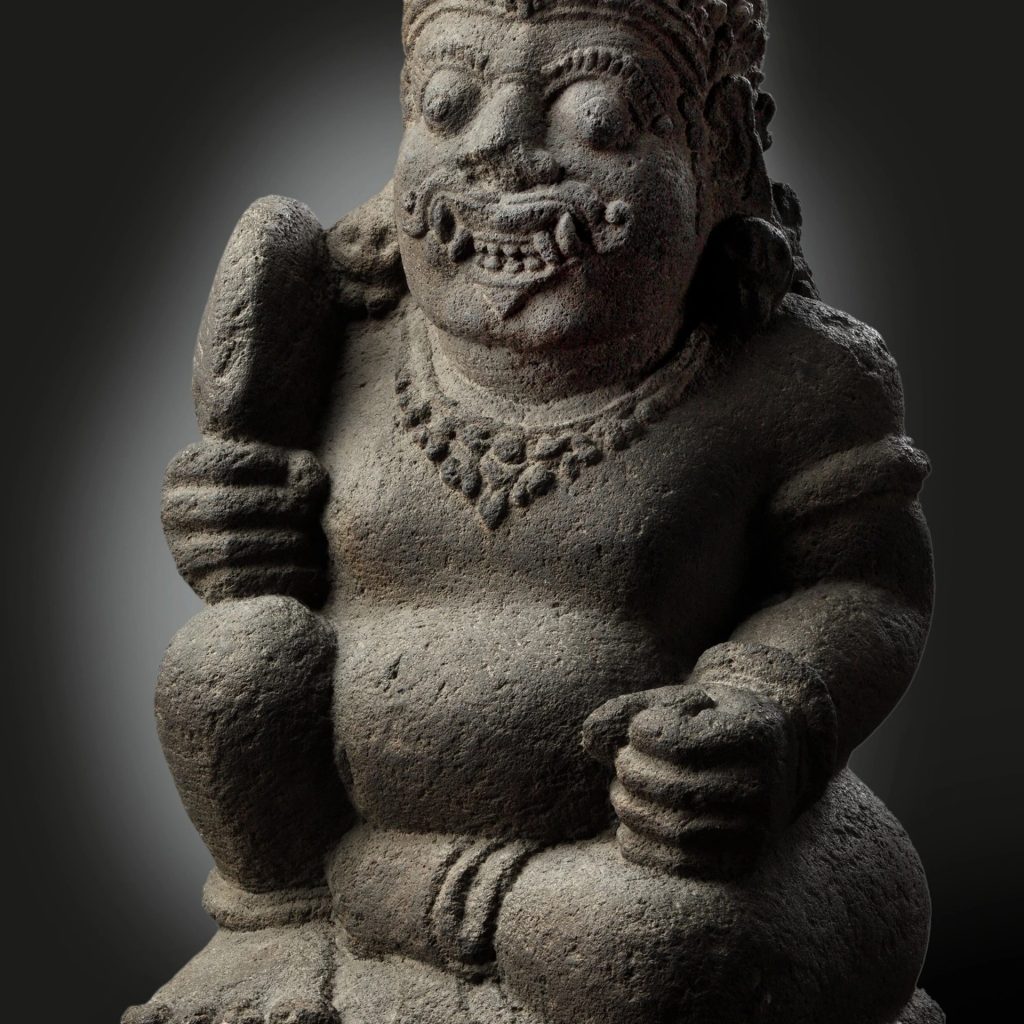
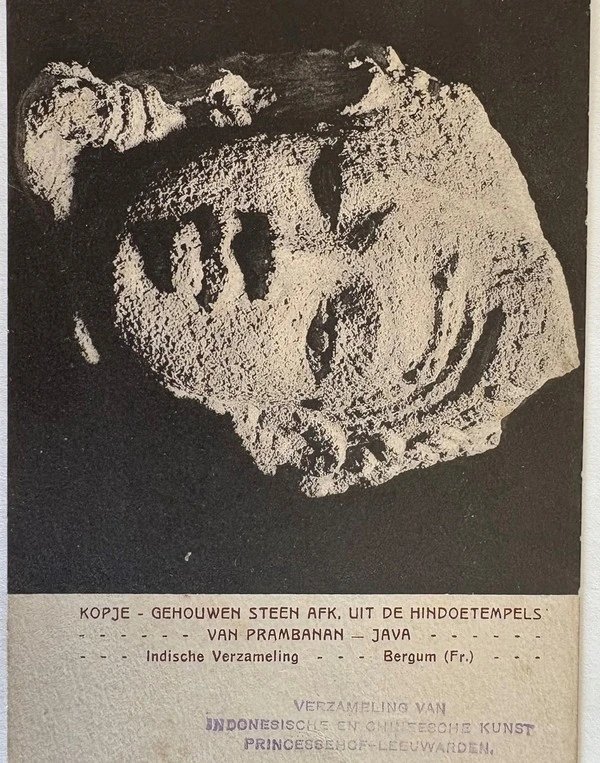
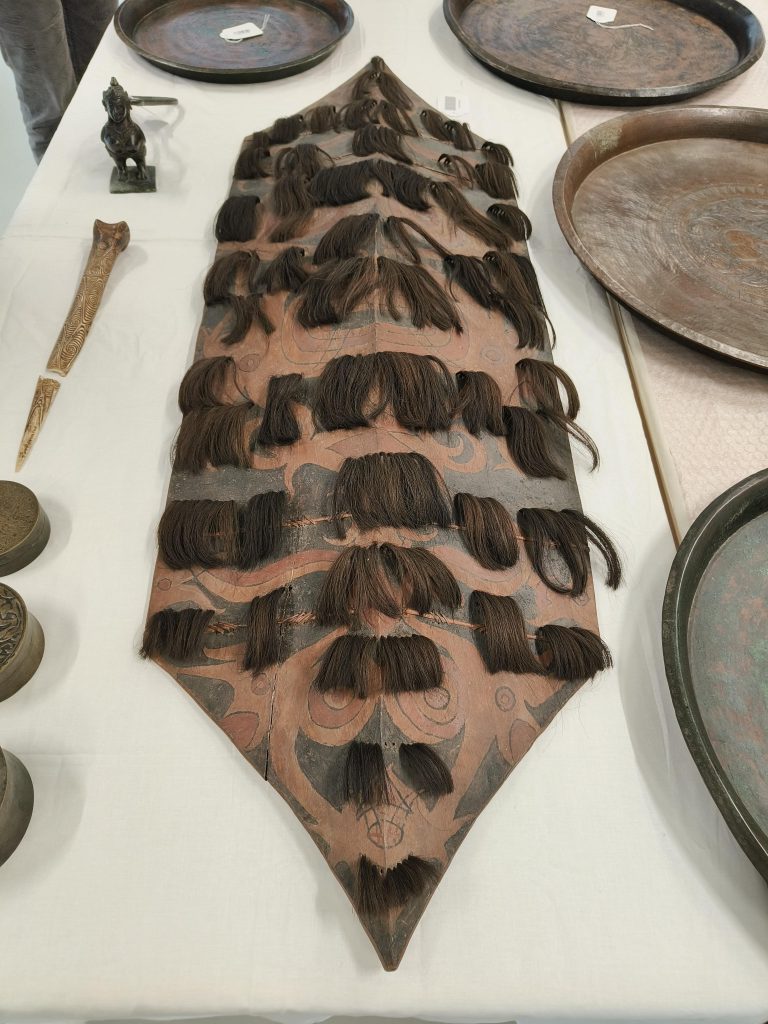
Combining areas of expertise for targeted provenance research
In the early 1960s, the museum attempted to make an inventory of the collection of Indonesian objects it had built up to that point. However, as the museum developed into a specialist ceramics museum in the years that followed, research into the Indonesian non-ceramic objects largely came to a standstill. The current research aims to establish or substantiate the provenance of these objects. To this end, the researchers are combining the original object documentation in the Princessehof archive with other archival sources, such as the collectors’ notes and diaries or correspondence from art dealers. The objects themselves are also being examined.
For example, in collaboration with Lab op Pad of the Cultural Heritage Agency of the Netherlands, the metal of the talams (large bronze offering trays) in the collection was analysed, which showed that they had almost certainly been buried underground for a long time. In addition, various specialists in the fields of ethnography and Indonesian weapons came to examine the collection. This provided a great deal of additional information about the context in which these objects were collected, even in cases where their exact provenance is unknown.
The Colonial Collections Consortium works with museums, research institutions and archives to gain new insights into the provenance of colonial artefacts. We share expertise and research methods, and make funding available, so that even smaller institutions – such as the Princessehof Museum – can carry out in-depth research into the colonial connections within their collections.
Would you like to find out more about the role that trade in colonised territories played in the circulation of these objects in Europe? The NIOD has developed digital research aids on this subject for the Colonial Collections Consortium. These research aids provide tools for researchers and members of the public who wish to gain a better understanding of colonial objects and their stories.